
Compresses, Poultices and Plasters are an excellent way to apply a treatment
externally to a specific part of the body. This reduces the necessity for internal
medication.
Compresses
There are three main types of Compresses: Hot; Cold (varying
from room temperature to ice cold); and Heating Compresses. There are also
many different ways of applying Compresses, such as using botanical material
itself e.g. Plantain leaf; dipping a cotton cloth in an Infusion, Decoction,
Tincture (5% diluted in water) and then applying it to the affected area; using
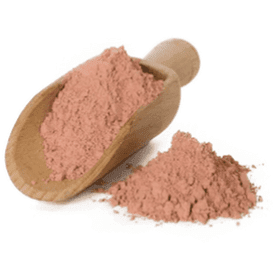
Clay; herbal tea bags; dried herbs, etc. For Sprains and Bruises you can wrap
a pack of frozen peas with cotton cloth and apply to affected area. Essential
Oils are also often mixed with these substances to be used in a Compress.
Cold Compresses
Cold Compresses (room temperature) are used on wounds, eczema, psoriasis and
similar problems where the skin is broken (not inflamed). Cold Compresses
(ice cold) can help relieve the pain of gout and minimise swelling from bruises
and sprains. Ice cold Compresses can also be used to prevent or relieve congestion
and to reduce blood flow to an area. Experts suggest limiting ice cold applications
to 20 minutes at a time to prevent damage to the skin.
Hot Compresses
Hot Compresses are used when the skin is not broken, for example with rheumatism,
sprains, inflammations, accidents, pains and swellings (but not to treat
shingles). Hot Compresses can also be used to lessen the discomfort of menstrual
cramps and irritable bowel syndrome, and to increase blood flow to a particular
part of the body. Large Hot Compresses applied to the chest are also helpful
for respiratory problems. Smaller Hot Compresses are used for localised pain
relief from muscle spasms and certain types of arthritis.
NB Remember: never use Hot Compresses on broken skin.
Heating Compresses
Combining the basic Cold Compress Method with adding extra insulating layers
over it, you can make a Heating Compress. The body will gradually warm the
Compress and the transition from cold to warm adds to the therapeutic value.
They are left in place until the body's heat warms them, usually for several
hours or overnight.
Used for sore throats, ear infections, chest colds, joint pain and digestive
problems, the Heating Compress creates soothing warmth in the affected area
and attracts an influx of nutrient- and oxygen-rich blood to speed healing.
"Thank you very much for being so helpful and
efficient. The goods arrived the very next morning, and it made my day.
Life is so sweet when things go exactly as you want them to. "
Max Drake
|
Poultices & Plasters
Poultices and Plasters are used much like Compresses
except they are made with fresh (or dried, but re-moistened), solid herbal
or plant material rather than an Infusion or Decoction. A Poultice is a wad
of chopped, fresh plant material that is applied directly to a wound or infection
on the skin and usually held in place by a Wet Compress that is covered by
a bandage. Poultices work primarily at the application site, typically preventing
infection and hastening the healing of wounds. But there are doubtless many
compounds in Poultice plants that pass through the skin and have internal benefits
as well.
They become Plasters when using finely ground herbs or adding ingredients
such as cornmeal or wheat flour to assist their cohesiveness. Generally Plasters
are placed in layers of thin material to protect the skin as well. Plasters
tend to be stronger in nature and should be monitored to avoid any skin reactions
to strong herbs such as garlic or mustard. It is advisable to massage oil over
the skin prior to placement of the Plaster.
Both Plasters and Poultices are wonderful for their action of ‘drawing
out’ toxins.
Compress Recipes
What you will need for all Compresses:
- A cotton/muslin cloth 30x50 cm
for suitable Compress for chest, throat, knee, elbow
- Compress or tube bandage
for smaller Compresses
- Clingfilm (never use tape or clingfilm directly on
the skin)
- Surgical tape or freezer tape
- Elastic Bandage
- Woollen cloth (for Heating Compress)
- Herbal or plant material (see individual
recipes for more information)
Chamomile Herbal Skin Care Compress
Useful for: sore throats, pain, prostate problems, psoriasis, eczema, earache.
- 35-50g Dried Chamomile Flowers
Method for a Dry Chamomile Compresses
- Spread a cotton or muslin cloth approximately 30x50cm on a clean and smooth
surface.
- Evenly place 35-50g of the dried herb in the middle of the cotton cloth
(see Fig 1). Then cover with clingfilm.
- Fold each side of the cloth over the content (Fig 2).
- Lastly tape everything so the content is secure (Fig 3).
- Place the Compress on the area to be treated with the cloth side towards
the skin (Fig 4). The clingfilm is facing out, so the healing content is
close to the skin. Wrap around with an elastic bandage and secure with tape.
- You can also add a last layer of insulating material, such as a woollen
scarf to create a Dry Heating Compress.
"Overall your web site, the company are
a God-send! "
Jane Le Galloudec
|
Arnica Herbal Skin Care Compress
Use on sprains, bruises, swollen skin, pains, burns and herpes blisters.
Using Arnica on burns increases the bleeding through and reduces the
scar formation.
Warning: The skin should not be in contact with Arnica for more than
6 hours per day, too long at a time can create skin irritation. Never
take arnica tincture internally.
- 50ml warm water
- 1-2 teaspoons Arnica tincture
Method for Wet Arnica Compresses
- Dilute the Arnica Tincture in the warm water.
- Soak a clean cotton or muslin cloth in the diluted Tincture and then
squeeze out the cloth so that the desired amount of liquid remains
in the cloth.
- Apply gently and loosely to the affected area of the body.
- Now, you can either go directly to step 5 below or continue by soaking
the cloth in the herbal solution every 15-30 minutes and applying it
to the body. Repeat as often as necessary.
- Wrap the soaked cloth over the affected area and cover the cloth
and area with clingfilm.
- Then secure both the cloth and the clingfilm with a stretch bandage.
- Discard the solution.
- To make a Heating Compress of a Cold Wet Compress or to keep your
Hot Compress warm, add a layer of insulating material, such as a woollen
scarf between the clingfilm layer and the stretch bandage. You can
also keep a Hot Compress warm by placing a hot water bottle on the
bandaged area.
Order
Arnica Tincture
Green or Savoy Cabbage Compress
Use for eczema, psoriasis,
menstrual cramps, pains, swelling, infections in the skin, joint pain
Method for Cabbage Compress
- Use the green outer leaves from organically grown plants.
- Cut away the thick stalks and use a roller pin or bottle to press
flat and squeeze the cells and juice from the cabbage leaves.
- Place and layer the inside of the leaves (the smooth side) around
the entire area of the skin, root side down.
- Bind to body with cotton or lint-free cloth. Then hold together with
clingfilm and cover with a stretch bandage.
- Leave on overnight.
- This helps to draw out any skin infections. Cabbage contains a substance
that increases blood circulation, as well as Vitamin U, a wound healing
substance.
Herbal Skin Care Compress Programme for Rheumatism
Night 1: Cabbage Compress
Night 2: Dry Chamomile Compress
Night 3: Arnica Compress
Herbal Skin Compress Programme for Leg Wounds
Night 1: Cabbage Compress
Night 2 Chamomile Herbal Infusion (Wet) Compress
Night 3: Cabbage Compress
Top
|