Cut the soap base up into small chunks so that it will melt more easily. Put into a double boiler (bain marie) or microwavable jug and heat gently until it starts to melt. If melting in the microwave oven heat it for 30 seconds then check it before heating for another 30 seconds. Stir the melting soap base and continue in this way until it is fully melted.
Do not leave it melting over high heat for a long time as this will evaporate some of the water content and will cause the finished soap to sweat in storage.
When it is melted, take it off the heat or out of the microwave oven carefully and set aside so that it starts to cool slightly. Now it's time to add any other ingredients that you may wish to. If you want to colour your soap, add WB (water based) or NWB (non water based) colours a few drops at a time and stir thoroughly but gently to get the even shade you want. These colours are strong so remember to only add a few drops at a time. Why not try mixing colours together to get different shades.
Pearlescent Mica powders may be added for a luxury sparkle. You can add the Pearlescent Mica directly to the chunks of soap base before you melt it or pre mix it with a little glycerin first and then add it to the melted base.
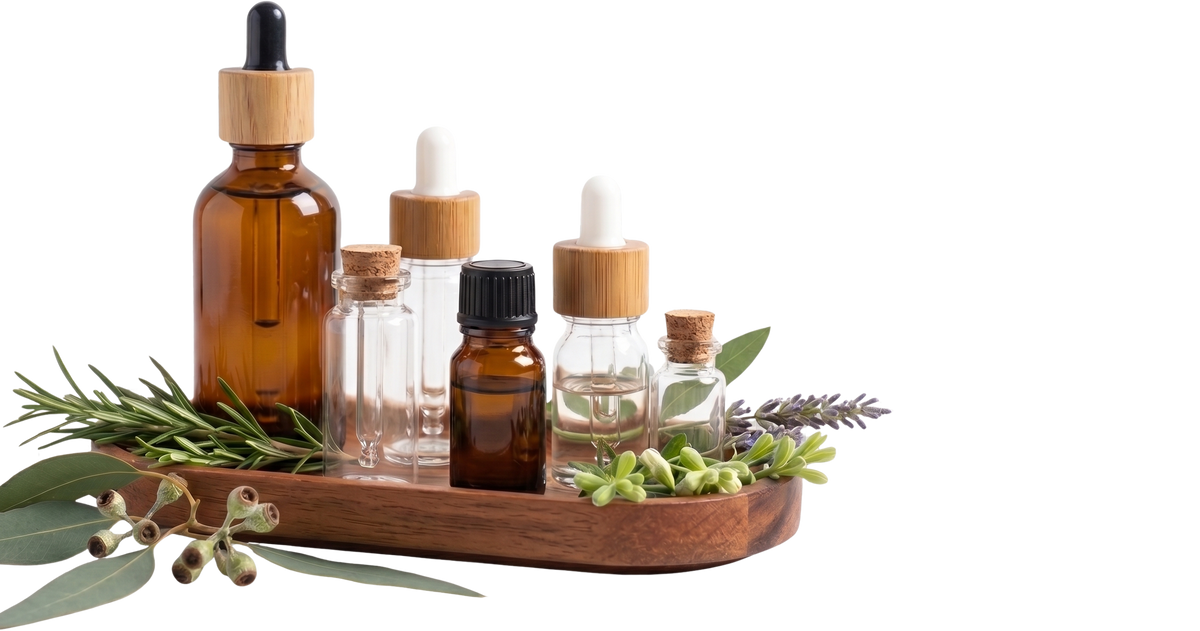
Now add any essential oils, fragrances or carrier oils that you want to include. Make sure they are stirred in thoroughly but gently so as not to create too many air bubbles.
If you are making your soaps for retail please check the approved usage rates for your chosen essential oils or fragrances with your suppliers or cosmetic safety assessor.
Small quantities of carrier oils such as Apricot Kernel Oil, White Poppy Seed Oil etc may be added for extra moisturising properties but be aware that these may make the finished product softer and produce less lather. Also be aware that adding carrier oils will cause clear Glycerine Soap to become cloudy.
Should you choose to add carrier oils we suggest no more than 2% is added. Active ingredients may also be added but as this is a wash off product they are better used in a leave on product where the skin will benefit from them more.
You can add exfoliants such as Pumice or Bamboo Powder. Whole or ground oats may be added both for texture, decoration and its soothing properties. Ground Loofah can also be used or slices of whole Loofah can be added to make a fun exfoliating soap. Just place slices of whole loofah into the cavities of your soap mould, spray the loofah slices lightly with Isopropyl Alcohol, if you have it, and pour the melted soap base gently over the loofah slices.
You can even add dried flower petals or herbs for decoration.
Some petals such as rose or lavender will discolour to brown if incorporated into the soap base so it is best to sprinkle these on the surface instead of adding them to the main body of your soap. Calendula and Cornflower petals are exceptions, however, and retain their natural beauty whether used on the surface or within the soap. Remember to add, and stir in, any extras slowly to avoid getting air bubbles in the melted soap base. A light spritz of Isopropyl Alcohol on your botanicals will help to prevent air bubbles too.
If you are adding herbs or flower petals, sprinkle them over the surface when the soap has cooled and is starting to form a skin on the surface and press down gently. Leave to cool fully and harden up.
Slowly pour your soap into individual moulds or into a loaf mould for slicing later. Tap the mould gently to knock out any air bubbles and spray the surface with Isopropyl Alcohol if you have any as this will disperse the air bubbles. Don't worry if you don't have any Isopropyl Alcohol, any air bubbles that are on the surface will disappear when you use the soap.
If you don’t have any purpose made soap moulds you could try pouring the melted soap base into ice cubes moulds which come in many fun shapes and make great guest soaps or soaps for children. Set aside and leave to harden up at room temperature. It's best not to place your soaps in the 'fridge or freezer to harden as this is likely to cause excess sweating, but for small projects done with children the 'fridge may be used.
When the soaps have hardened completely, turn them out of the moulds, slice the loaf and wrap immediately.
Glycerine is an humectant, it draws moisture to itself and so Glycerine soap can become sweaty if left open to the air or stored in a humid area. You can wrap your fresh soaps in plastic wrap, paper coffee filters or fabric just remember to wrap them tightly and store in a cool, dry and dark place until wanted.
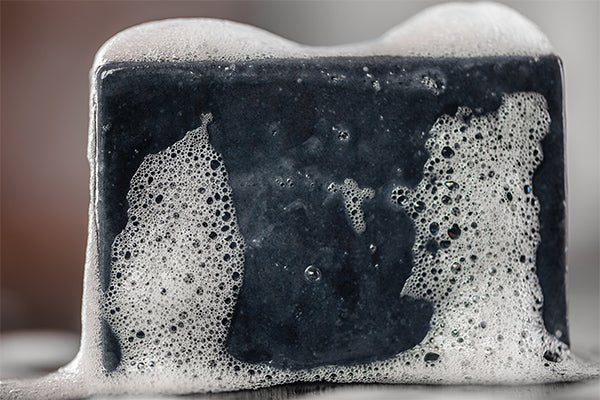
Remember to drain your soap between uses as leaving it in a puddle of water will cause your soap to become slimy and not last as long.
NOTES
DO NOT add water to your Melt and Pour Glycerine Soap Base as this will make the end product slimy and not set up properly.
Isopropyl Alcohol can be used to help get rid of air bubbles and to help different coloured layers of soap stick together.