By Kolbjorn Borseth
Raw Materials in most High Street Anti-perspirants and Deodorants
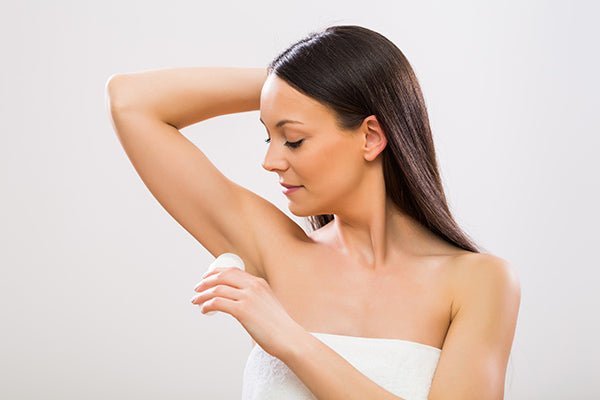
Aluminium Hydroxychloride (INCI Name: Aluminium Chlorohydrate) is an aluminium salt which is used in most anti-perspirants. Its salts act as a sweat inhibitor, closing off the skin's sweat pores so the sweat is unable to come out. So far so good, but closing off the body's most important secretory organ day after day (sweating from the arm pits included) and with a substance than can be irritating to the skin and is easily absorbed by damaged skin, is not the best solution for our sweat problems.
Making Natural Deodorants the Aromantic Way
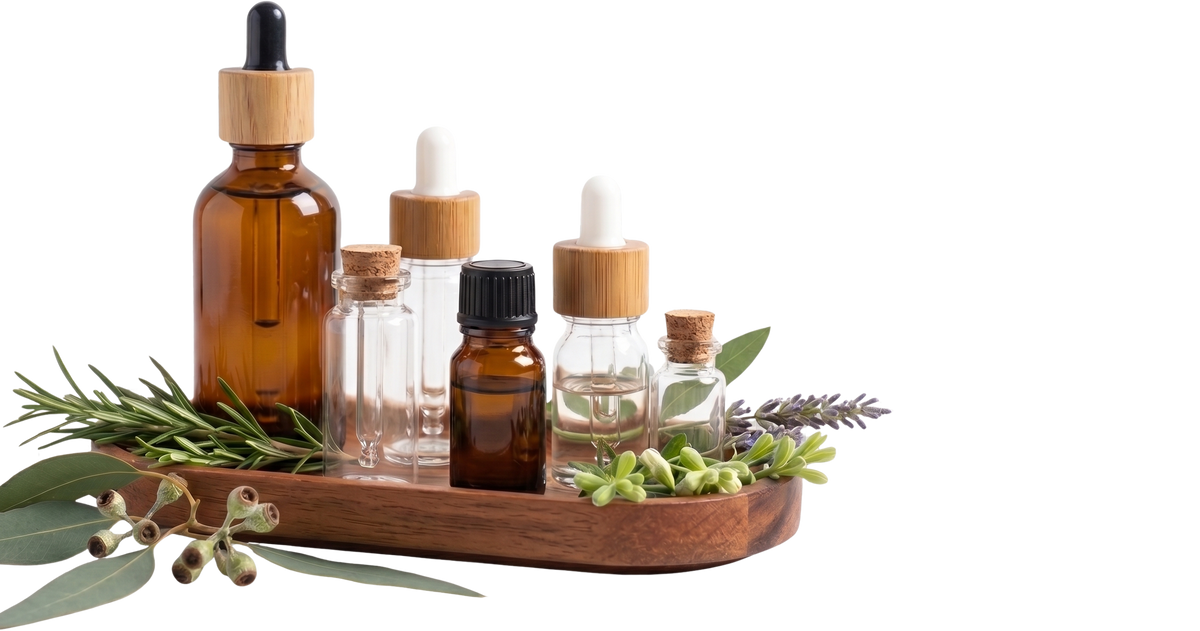
Aromantic uses different natural raw materials in our deodorant recipes, such as these:
Farnesol
INCI name: Farnesol
This is a substance that occurs naturally in a number of essential oils, for instance palmarosa and roman chamomile oils. Farnesol kills the bacteria which make sweat smell. It does not close off the pores and does not prevent the secretion of sweat. Used at a strength of approx. 1%. The effect lasts for 5-6 hours.
Lemon Ester
INCI Name: Triethyl citrate
Lemon Ester is another deodorant raw material which is safe to use. It’s found naturally in cherries but ours is synthesised as its not sustainable to extract it from cherries. It reduces the bacteria on the skin by making the skin more acid. The best use in deodorant is 4-5% together with 1% Farnesol.
Deocrystal Stone Powder
INCI Name: Potassium alum
This is a natural anti-perspirant that is safe to use as an alternative to to aluminium chlorohydrate, which is found in most commercially available deodorants. Our Deocrystal Stone Powder is finely-ground potassium alum, a mineral salt drawn from bauxite, an ore which is formed by the rapid weathering of granitic rocks in warm, humid climates and can be purified and converted directly into alum.
How to use Deocrystal Stone Powder
See Recipe and Method for how to use it further down in the article. Use 3-10% together with Farnesol and Lemon Ester in your deodorant. By using this new raw material you can extend the deodorant effect under your arms from 5 to 6 (Farnesol and Lemon Ester only) hours to possibly double that, giving you whole-day protection.
The difference between using Aluminium chlorhydrate and Potassium Alum in Deodorant products
If an aluminum compound, such as aluminum chlorhydrate or aluminum zirconium, which is very soluble, is used as an antiperspirant, that compound is readily absorbed. Once in the body, the aluminum portion of the molecule ionizes, forming free or radical aluminum (Al+++). This passes freely across cell membranes, and forms a physical plug, that when dissolved is selectively absorbed by the liver, kidney, brain, cartilage and bone marrow. It is this concentration of aluminum that has been the source of concern in the medical community and has prompted the research being done on Alzheimer’s disease and breast cancer victims.
Potassium Alum molecules have a negative ionic charge, making it unable to pass through the cell wall. They are not absorbed. This is why Alum is safe to use and will not cause high levels of aluminium in your system. Alum and Aluminium are two different substances, with distinct chemical signatures. They possess different chemical properties which create different chemical attributes.
Historical and contemporary use of potassium alum
As a Crystal Deodorant
Alum was used in the past as a natural underarm deodorant in Europe, Mexico, Thailand, the Far East and in the Philippines. It is now commercially sold for this purpose in many countries, often in a plastic case that protects the crystal and makes it resemble other non-liquid deodorants. Typically potassium alum is used. Alum powder, found amongst spices at most grocery stores, is used in pickling recipes as a preservative, to maintain crispness, and as an ingredient in some play dough recipes. It is a home remedy for pain relief for canker sores (shallow painful sores in the mouth).
As an Antibacterial Agent
Alum works as a deodorant because Alum inhibits bacteria growth. Alum powder/crystals can be applied to mildly infected cuts.
Natural Odour Reducer
INCI Name: Citronellyl methylcrotonate
You can also use our Natural Odour Reducer (NOR) in your deodorants. NOR is a clear liquid derived from citronella essential oil. It is practically odourless itself, with only a hint of a ‘geranium’ fragrance. Oil soluble and easy to incorporate into oily, alcohol mixtures and to stir into finished emulsion products. Natural Odour Reducer helps to not only reduce strong odours in product bases but also works to neutralise odours in human bodies and background odours in indoor environments.
Basic Deodorant Gel Recipe (Roll-on)
This recipe is taken from Aromantic Newsletter no 30, Autumn 2009.
Stage 1
73ml Boiling Spring Water
0.4g Xanthan Gum
Stage 2
10g Deocrystal powder
8ml Aloe Vera Concentrate
Stage 3
4g Lemon Ester
1g Farnesol
2g Castor Oil
0.8g Preservative 12
Stage 4
15-25 drops Essential Oil
Method for making the Deodorant Gel
- Stage 1: Measure the water in a jug and pour into a bowl.
- Weigh the Xanthan Gum Powder.
- Sprinkle the Xanthan Gum Powder over the water little by little, whisking vigorously. If your Gel gets lumpy, blend until smooth with an electric blender. When there are no more lumps, stop whisking or blending.
- Stage 2: Whisk in the Deocrystal Powder until it is dissolved.
- Cool down to 40ºC. Stir in Stage 3 ingredients, don’t whisk.
- Finally, stir in the essential oils thoroughly. Bottle and label. Roll-on bottles work best for this Deodorant.
Order Recipe Ingredients
Select items from the list below and click the button to check for availability and prices of these products. You can adjust your required options and amounts once you are taken to the shopping cart, as well as deleting any unwanted items: |
|
|
"At last somewhere to buy and even make healthy safe products - I'm really looking forward to getting started!"
Simon Packford
more testimonials > |
Top
Page: natural deodorant
|