

Very happy with this emulsifier
"Found it easy to use!"
 100% vegetable-derived, eco-friendly emulsifier.
Forms stable, smooth oil-in-water emulsions.
Boosts hydration and supports moisture retention.
Enhances delivery of active ingredients.
Ideal for sensitive skin and baby formulations.
100% vegetable-derived, eco-friendly emulsifier.
Forms stable, smooth oil-in-water emulsions.
Boosts hydration and supports moisture retention.
Enhances delivery of active ingredients.
Ideal for sensitive skin and baby formulations.


Minimum Shelf life:


Eco-friendly emulsifier from 100% vegetable origin
Creates stable, smooth oil-in-water emulsions
Suitable for all skin types, including sensitive and baby skin
Enhances skin hydration and supports moisture retention
Helps deliver active ingredients more effectively
Compatible with anionic and cationic ingredients
Vegan, cruelty free, readily biodegradable
Excellent spread ability for luxurious skin feel
Stable across a wide pH range (3–12)
Montanov™ 68 MB is a highly versatile, natural oil-in-water (O/W) emulsifier crafted from the fatty alcohols of coconut or palm oil and glucose derived from corn, wheat, or cassava. Its 100% vegetable origin makes it ideal for eco-conscious formulators seeking effective and skin-friendly ingredients.
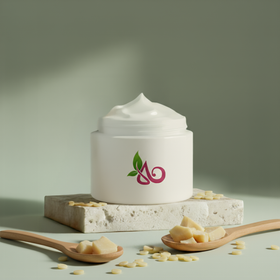
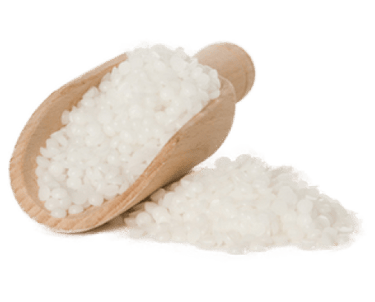
These white, solid pellets with a very faint odour easily melt into your heated oil phase, forming stable and elegant emulsions with a luxurious skin feel. Vegetal is exceptionally mild, non-irritating, and safe to use even in formulations for babies and sensitive skin.
The unique structure of emulsions created with Vegetal mimics the natural liquid crystal structure of the skin.
This not only boosts moisturization but also supports the skin’s barrier function. As a result, it helps improve hydration levels and can enhance the absorption of active ingredients by delivering them more gradually and effectively.
Montanov™ 68 MB offers formulators excellent flexibility. It works well with a wide pH range and retains viscosity even when combined with acidic ingredients like Aloe Vera Concentrate. Unlike many emulsifiers, it doesn’t cause creams to thin out under these conditions, ensuring consistent texture and stability.
Whether you're creating silky lotions, rich body butters, or facial moisturisers, Montanov™ 68 MB helps you deliver beautifully textured products that feel light and hydrating yet rich and comforting on the skin.
We are now the official distributor for SEPPIC so have renamed it ot the offical tradename. It used to be sold by us as Vegetal.
INCI Name: Cetearyl Alcohol, Cetearyl Glucoside
Origin: 100% vegetable-derived (coconut/palm oil and glucose from corn, wheat, or cassava)
Appearance: White, solid pellets with very faint odour
Solubility: Oil phase (add to heated oils at 70°C)
Store in a cool, dry place away from direct sunlight.
The expiration date is on the product packaging.
At Aromantic, we specialize in high-quality, responsibly sourced cosmetic ingredients tailored for formulators of all levels. When you buy from us, you get:
Expertly selected, eco-conscious ingredients
Transparent sourcing and clear documentation
Fast, reliable delivery across the UK and internationally
Dedicated customer service for product support and advice
A wide selection of vegan and cruelty free raw materials
We’re here to help you craft sustainable, high-performance skincare with confidence.
Is Montanov™ 68 MB suitable for vegan skincare formulations?
Yes, it is entirely plant-based and vegan friendly.
Can I use Montanov™ 68 MB in both creams and lotions?
Absolutely. Use higher percentages for rich creams and lower percentages for lighter lotions.
Is this emulsifier safe for baby products?
Yes, its non-irritant profile makes it a great choice for baby skincare and sensitive formulations.
What other emulsifiers can I blend with Montanov™ 68 MB?
You can combine it with other emulsifiers like Olivem 1000 or EcoSilk for improved texture and performance.
Does Vegetal affect the final colour or scent of my product?
No, it has a neutral scent and does not affect colour, making it ideal for scent-sensitive or colour-specific formulations.
Excellent to use with actives for anti aging such as Eco Marine Algae Extract and Wu Zhu Extract as it allows the penetration of the actives into the skin in a more controlled manner.
Click on the links below to be directed to great recipes featuring Montanov™ 68 MB.
Here is a link to all non-batch-specific documents for this product: Link to Technical Documents
If you have any questions about the documents or need the Certificate of Analysis (COA) for a product that you have received, please request that here.
EcoSilk MB – Light, silky emollient and co-emulsifier
Organic Glycerin – Natural humectant for moisturising creams
Olivem 1000 – Natural emulsifier with liquid crystal structure
Aloe Vera Concentrate – Soothing, hydrating active for skincare
Natural Vitamin E – Antioxidant to improve shelf life of emulsions




Overall rating: 5.0 / 5 from 19 reviews.
Review topics: ["emulsifier","products","cream","quality","texture"].
"Found it easy to use!"
"I love this emulsifier! It makes my moisturizers so creamy and luxurious."
"superrr thanx"
"Easy to use, very effective, very useful"
"I regret not buying it earlier! It creates very stable, very thick and lovely emulsions. I am very pleased. It it officially my go to emulsifier"
"It’s one of the robust emulsifiers I’ve ever worked with. I definitely recommend this emulsifier"
"Vegetal emulsifier leads to a lovely textured cream and appears so smooth. I am glad I purchased it and do recommend it !"
"Incredibly fast delivery, the ingredients were superb and plenty of information online to ensure correct usage & labeling. Definitely be ordering more from this company. What a refreshing change!"
"Tried this for the first time and it‘s super good. A silky texture and easy to work with. And no soappie effect."
"I found the product very easy to use."


Trading Address:
Aromantic Ltd, 15 Greshop Road, Forres, IV36 2GU, United Kingdom
Phone Number: +44(0)1309 696900
Email: info@aromantic.co.uk
Company Number: SC299277
VAT: GB683087901