| ||||||||||||||||||||||||||||||||||||||||||||||||||||||||||||||||||||||||||||||||||||||||||||||||||||||||||||||||||||||||||||
|
Price: £12.25 |
|
Price: £8.55 |
|
Price: £13.10 |
|
Price: £7.60 |
|
Price: £5.90 |
|
Price: £5.30 |
|
Price: £5.60 |
|
Price: £4.80 |
|
Price: £4.50 |
|
Price: £19.95 |
|
Price: £5.80 |
|
Price: £6.95 |
|
Price: £5.90 |
|
Price: £4.80 |
|
Price: £6.50 |
|
Price: £5.90 |
|
Price: £4.55 |
Colours used in making Cosmetics and Skin Care Products |
|||||||||||||||||||||||||||||||||||||||||||||||||||||||||
It is important to remember that using truly natural colours is not
always possible, as they are very limited in their use as they are only
water-soluble. In addition, they are not light fast, so fade easily. Some
Natural Colours, while they work very well, and are considered a much
safer alternative to the more carcinogenic colours which have been removed
from the list of EU approved Colours, are also derived from animals. An
example of this is Carmine (crushed beetles), which is now an almost ubiquitous
Red Colour used by the cosmetic industry. The only Pearlescent Reds we currently have available are Bordeaux Red, Strawberry Red and
Red Brown.
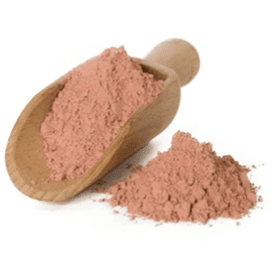
So, in short, we stock the most natural colours possible, but have to stock some synthetic colours too in order for you to have a wide range of colours for different uses. Colours for CosmeticsColour is both an important and an enjoyable part of making your own cosmetics. Getting the right colour for the right product is important ’s eye. Colours suitable for cosmetics can be arranged in three categories: Organic; Inorganic; and Natural. Colours are classified as either Organic, or Inorganic, depending on the chemistry. This should not be confused with the term “Organic”, which refers to growing methods without the use of artificial pesticides, etc. Organic ColoursOrganic Colours were originally called coal tar or anilines because they were derived from coal sources. However, today almost all Organic Colours are synthetic and are available as either water-soluble, oil-soluble or insoluble agents in all kinds of shades. Inorganic ColoursInorganic, or “non-living”, Colours are composed of insoluble metallic compounds, which are either derived from natural sources such as the earth (e.g. China Clay, Carbon Deposits, Iron Oxides (Browns, Blacks, Reds, etc.), Ultramarines, Chromium Oxide Green, Mica, Titanium Dioxide, Zinc Oxide, Kaolin Clay, and so forth), and some are then subjected to high temperatures and sometimes bonded chemically with another element, such as Titanium Dioxide. Confusingly, the Natural Colours, also known as mineral pigments, derived from the Earth, are not considered natural because they are “inorganic” and have been treated or altered on a molecular level but other suppliers, and we, will call them natural even though this is not “technically” correct. Inorganic Colours do not have the same kinds of health risks as Organic Colours. However, Inorganic Colours are not available in the range of shades that the Organic Colours offer, and they are not water soluble, which limits their range of applications. Natural Colours Natural Colours are derived or come directly from plant or animal sources,
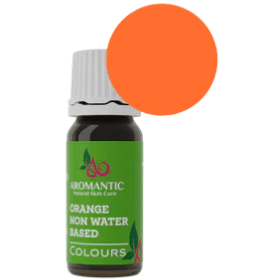
such as: Selecting Aromantic Colours based on your product formulationWhether Natural Synthetic, or Natural and treated in some way, all of Aromantic’s colours are deemed safe for use in cosmetics as per the European Union’s Cosmetic Regulations and all of them have been used safely for between 20-30 years. Blue Azulen (INCI name: Matricaria recutita) is a totally natural Blue Colour extracted from German Chamomile. It is used to add a Transparent Blue Colour to Soaps. Aromantic’s Colours for Non-Water Based Products (NWB) should be used for non-water-based products such as Fizzy Bath Bombs, Bath Salts, Massage Bars, Bath Melts and other Solid Products. These Colours are based in Propylene Glycol, which does not contain any water. Suggested dosage is 3-6 drops per 100ml. Aromantic’s Colours for Water-based Products (WB) should be used for Solid Soap, Liquid Soap, and water-based products such as Hair Shampoo and Foam Bath. These Colours are based in water. Suggested dosage is 2-6 drops per 100ml. Note about both NWB and WB Colours:These Colours are not light sensitive, so will not “bleed” and discolour your bath or sink. They are synthetic but considered safe for adding to food products. Only a small amount is needed, as the Colours are very strong. Aromantic’s Normal Pigments are powdered Colours mainly used for oil-soluble products, which add colour to the skin, such as Mineral Make-up, Powders and Foundation Creams. We classify some of our Normal Pigments as natural, and some are naturally derived but may be treated in some way (See Inorganic Pigments). They are not suitable for water-soluble products such as Liquid and Solid Soaps as pigments sink to the bottom. They can also discolour your sink or bath. However, Titanium Dioxide is a Normal Pigment, which works well for colouring Solid Soaps white, without discolouring sinks or baths. Aromantic’s Pearlescent Pigments are totally natural, inorganic. Although they are pearlescent in effect, they are not derived from mussels or pearl. Our suppliers classify some of them as Synthetic because, even though they are derived from natural sources, they undergo chemical bonding at high temperatures and so no longer consider them natural. To further complicate matters, each Colour may contain a totally natural, untreated Pigment, such as Mica, as well one that has been bonded with an element at high temperature, e.g. Titanium Dioxide. So, our classification system, although “technically incorrect”, will still use N for natural and the relevant letter following that to show how it has been extracted or treated. Pearlescent Pigments are ideal for use in Mineral Make-up, Lipsticks and Creams. They also work well for solid soap and fizzy bath bombs. You can use them for Liquid Soap, but as with all powdered pigments, they will sink to the bottom if the consistency is not thick enough. When used in solid soap, they produce a lovely, semi-transparent effect. Note about all ColoursSince many factors can affect the stability and activity of Colours (e.g. Surfactants, pH value, etc.), it is important to bear in mind that you may get different results with the same amount of a specific Colour when used in different formulations. We hope this has helped to clarify things for you. You can also download a PDF version of the EU Cosmetic Regulations as well as the 2003 Revisions.
Available Products:
|
FREE ACCESS!
|
|
SPECIAL OFFERS AND NEWS FROM AROMANTIC
News of special savings on Essential Oils, organic certification, new products, plus a new-look website...
LATEST AROMANTIC COURSE SCHEDULE AND OPEN DAY
Announcing a brand new Masterclass: Sucragel Organic Emulsifier, latest courses schedule and our...
POSSIBLE DISRUPTION TO OUR PHONE SYSTEMS TODAY...
Following the recent upgrade of our telephone system, technicians will be working further to...
SPRING NEWS UPDATE
Special offers, new & more affordable product sizes and new management at Aromantic! We have just had a beautiful, very war...
AROMANTIC NATURAL SKIN CARE | ABOUT US | COURSES | CONSULTANCY | PUBLICATIONS | NEWS | NEWSLETTER | CONTACT | LINKS | SITE | PRODUCT MAP (A-Z)
|
Website: Simon Bowen | fluidstate™